
How the GEICO Stolen Vehicle Claim Process Works
A stolen-vehicle claim begins with immediate police notification, followed by a report to GEICO and a review of the policy, comprehensive coverage, deductible, ownership, financing, keys, vehicle details, and recovery status. Use the Auto form below for future quote comparisons, but manage an existing theft claim through GEICO's claims channels.
Updated October 4, 2026 · Reviewed by the QuotesAutoInsurance.org Editorial Team
Enter the ZIP code where the vehicle is normally kept to compare future auto insurance options. Match comprehensive coverage, deductibles, rental reimbursement, drivers, vehicles, and effective dates across quotes.
This form does not file, update, or manage a GEICO claim. QuotesAutoInsurance.org is independently operated and is not owned, sponsored, or endorsed by GEICO. Carrier and quote availability vary.
What to Do Before and After Reporting a Stolen Car to GEICO
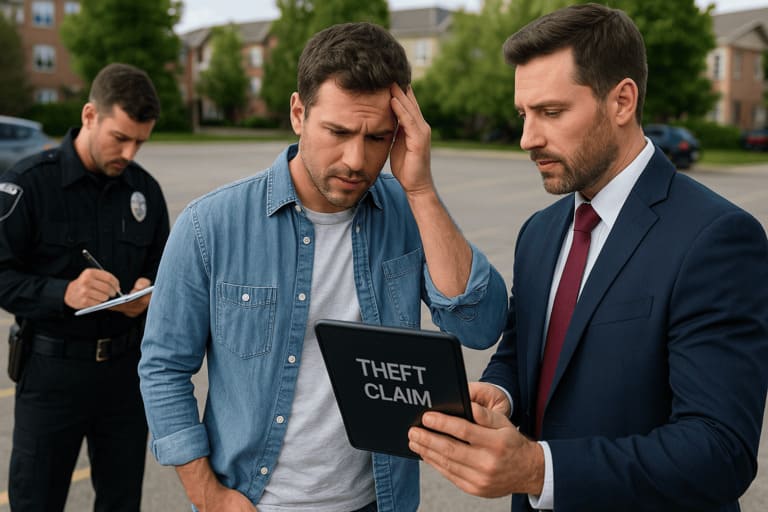
Contact the police as soon as the theft is discovered. GEICO states that it cannot honor a vehicle-theft claim unless a police report has first been filed. Give law enforcement the vehicle identification number, plate number, make, model, color, distinctive features, last known location, key status, and any tracking or surveillance information available.
After the police report, notify GEICO promptly. A theft claim can be reported through GEICO's online claim tools or by phone, and GEICO Mobile supports filing, viewing, and updating claims. Even when comprehensive coverage is not carried, GEICO advises policyholders to report a stolen insured vehicle because the theft could create liability or policy issues if the vehicle is used to harm others.
Reporting a claim does not establish that the loss is covered or determine the settlement amount. The assigned examiner reviews the policy, applicable coverage, deductible, ownership, financing, circumstances of the theft, vehicle information, police report, recovery status, and requested documentation.
Review GEICO's official stolen vehicle claim guidance for its current reporting instructions and document checklist.
Information GEICO May Request for a Theft Claim
GEICO's theft guidance identifies several records that can help document ownership, access, condition, value, financing, and property associated with the stolen vehicle. The examiner may request additional information based on the policy and circumstances.
| Claim record | What to prepare | Why it matters |
|---|---|---|
| Police information | Department, report number, officer contact, date, last known location, and recovery updates | GEICO requires a police report before honoring a vehicle-theft claim. |
| Ownership | Certificate of title, registration, purchase records, and current policy information | These records help establish ownership and the insured vehicle. |
| Keys and access | Location of all keys before and after the theft and everyone who had vehicle access | The examiner may review how the vehicle could be accessed and whether keys are accounted for. |
| Vehicle description | VIN, mileage, options, condition, upgrades, modifications, maintenance, and service records | Vehicle details can affect identification, recovery, coverage, and valuation. |
| Finance or lease | Lender or leasing-company name, account number, contact information, and payoff details | A lender or lessor may have rights to the vehicle and settlement. |
| Personal property | Itemized list, receipts, photographs, serial numbers, and any separate home or renters policy | Auto coverage for property inside a stolen vehicle can be limited or unavailable. |
How Comprehensive Coverage Applies to Vehicle Theft
Comprehensive coverage generally applies to covered non-collision losses such as vehicle theft, vandalism, fire, hail, flooding, glass damage, or animal contact. Liability coverage does not pay to replace the policyholder's stolen vehicle.
Comprehensive coverage is optional under state insurance law, although a lender or leasing company commonly requires it. The selected comprehensive deductible generally applies before the insurer pays a covered vehicle-theft loss.
GEICO explains that the maximum comprehensive payment is based on the vehicle's actual cash value rather than a customer-selected comprehensive limit. The written policy, deductible, endorsements, exclusions, state requirements, vehicle ownership, and claim facts control the actual result.
What Happens During GEICO's Theft Claim Review
The theft claim review can include verification of the police report, title, registration, keys, access history, financing, vehicle description, prior damage, options, upgrades, maintenance records, recovery activity, tracking information, and other claim facts.
GEICO records the theft, policy, police report, vehicle, ownership, location, contact, and initial coverage information.
The examiner may request a vehicle-theft questionnaire, title, keys, records, receipts, lender information, or other evidence.
The claim remains connected to law-enforcement recovery information and any prompt notice that the vehicle has been found.
If the vehicle remains missing and the loss is covered, GEICO reviews the deductible, actual cash value, financing, and settlement documents.
If the Stolen Vehicle Is Recovered
Notify the police and the GEICO claims examiner immediately when the vehicle is recovered. Do not assume that the claim has ended or authorize repairs, disposal, towing, or release without coordinating with law enforcement, the storage facility, lender or lessor, and the examiner.
GEICO may need to inspect the vehicle and evaluate theft-related damage, missing parts, vandalism, mechanical concerns, towing, storage, keys, and whether repairs are economically and safely appropriate. Collision coverage is not automatically required for theft-related damage; covered theft and related non-collision damage are generally evaluated under comprehensive coverage.
If a settlement has already been issued or title paperwork has been transferred, recovery can create additional ownership and settlement questions. Follow the examiner's instructions before taking possession or making decisions about the vehicle.
If the Vehicle Is Not Recovered
When a covered vehicle remains missing, the claim can move toward a theft settlement after the required investigation and documentation. The examiner may discuss the vehicle's actual cash value, deductible, title transfer, keys, lender or lease payoff, and any documents needed to complete the settlement.
| Valuation factor | What may be reviewed |
|---|---|
| Mileage | Verified mileage before the theft and its effect on vehicle value |
| Features and options | Factory equipment, trim, packages, and supported upgrades or modifications |
| Prior condition | Pre-loss damage, maintenance, mechanical condition, and documented improvements |
| Comparable vehicles | Recent sales or listings for similar vehicles in the applicable market |
| Finance or lease balance | Payoff information and the lender's or lessor's interest in the settlement |
| Deductible | The applicable comprehensive deductible subtracted from a covered payment |
If the car is not recovered and you buy a replacement, the new vehicle needs coverage from the day you take it home. Compare quotes by ZIP with the same drivers, comprehensive deductible and rental reimbursement before the new policy starts.
This form does not file, update, or manage a GEICO claim. QuotesAutoInsurance.org is independently operated and is not owned, sponsored, or endorsed by GEICO.
Personal Property Left Inside the Stolen Vehicle
Vehicle comprehensive coverage protects the covered vehicle, but it does not automatically provide broad coverage for phones, computers, tools, luggage, jewelry, or other personal belongings left inside it. GEICO's theft guidance notes that coverage for personal property varies and that a homeowners policy (see GEICO homeowners insurance) or renters policy may provide additional protection.
Prepare an itemized list with approximate purchase dates, receipts, photographs, serial numbers, ownership evidence, and replacement information. Report the items to police and ask the appropriate property insurer which policy, deductible, category limits, and exclusions apply.
How to Reduce Avoidable Claim Delays
No document or action can guarantee a faster settlement. A complete, consistent claim file can nevertheless reduce avoidable follow-up and make it easier to respond to the examiner's requests.
Complete the vehicle-theft questionnaire and other requested documents accurately and promptly.
Explain where each original, duplicate, valet, digital, or replacement key was before and after the theft.
Tell the finance or lease company about the theft and provide permission for claim-related communication when needed.
Notify the police and examiner as soon as the vehicle, parts, keys, or new tracking information are found.
Provide receipts and records for options, modifications, maintenance, tires, and supported improvements.
Record dates, names, requests, documents sent, decisions, explanations, and upcoming follow-up items.
Questions to Ask the GEICO Claims Examiner
| Question | Why it matters |
|---|---|
| Which coverage and deductible apply? | Confirms whether comprehensive coverage responds and the amount owed by the policyholder. |
| Which documents are still missing? | Creates a clear checklist rather than relying on assumptions about claim completeness. |
| Is rental reimbursement available? | Clarifies whether the policy includes it, when it begins, and what daily or total limits apply. |
| How should lender communication be handled? | Helps coordinate payoff information, title documents, and settlement rights. |
| What happens if the vehicle is recovered? | Clarifies notice, inspection, towing, storage, repairs, settlement, and ownership steps. |
| How was the vehicle value determined? | Identifies mileage, options, prior condition, comparable vehicles, and documents that may support correction. |
Related GEICO Insurance and Claim Guides
FAQ About GEICO Vehicle Theft Claims
Yes. GEICO states that it cannot honor a vehicle-theft claim unless a police report is filed first. Report the theft to law enforcement immediately and retain the report information.
Comprehensive coverage generally applies to a covered vehicle theft, subject to the policy, deductible, exclusions, ownership, and claim facts. Liability coverage does not replace the policyholder's stolen vehicle.
There is no single universal timeline. The duration can depend on police information, recovery status, document completeness, ownership, financing, coverage questions, investigation, valuation, and state requirements.
Notify the police and GEICO claims examiner immediately. Coordinate inspection, towing, storage, repairs, settlement, and ownership questions before making decisions about the vehicle.
No. Rental reimbursement is generally a separate optional coverage. Check the declarations page and ask the examiner about eligibility, daily limits, total limits, and covered duration.
Bottom line: contact the police first, report the theft to GEICO promptly, preserve ownership and vehicle records, respond to document requests, confirm comprehensive and rental coverage, and notify the examiner immediately if the vehicle is recovered.