
Esurance Coverage for Your Delivery Business
Running a delivery service is exciting—but it also comes with risks. Your vehicles, drivers, and packages all need solid protection. Esurance coverage for delivery businesses allows you to build insurance that fits how your company operates—what you deliver, how far you travel, and who’s behind the wheel.
This guide explains how to set up the right policy, which documents you’ll need, why personal auto insurance isn’t enough, and practical ways to lower your premium.
Steps to Get Delivery Coverage with Esurance
- Review your risks: fleet size, delivery range, number of daily stops, driver status (employees vs contractors), and interstate routes.
- Prepare documents: business license or EIN, driver list with consent, claims history, vehicle VINs, parking addresses, cargo value, and client insurance requirements.
- Request multiple quotes: compare coverage limits and deductibles, not just the monthly price.
Before applying, it helps to understand how claims work in real situations. For example, review the Esurance vehicle theft claim process to see what documentation and timelines are typically required.
Get Auto Insurance Quotes
Get instant auto quotes for your delivery fleet.
Get Home Insurance Quotes
Check home insurance rates for your business base.
Key Coverages to Consider
- Commercial auto coverage for liability, collision, and property damage.
- Hired and non-owned auto (HNOA) for personal or rented vehicles used for deliveries.
- Motor truck cargo insurance to protect goods in transit.
- General liability for injuries or property damage during loading and unloading.
- Roadside assistance and rental reimbursement to keep operations running.
Watch for Common Exclusions
- High-value items may have payout limits unless endorsed.
- Perishable goods often require spoilage or refrigeration coverage.
- Theft without forced entry may be excluded—driver training and GPS tracking help reduce risk.
Premiums can often be reduced with safety programs, telematics, and a clean claims record. Always compare equivalent coverage when reviewing alternatives, such as GEICO auto insurance quotes.
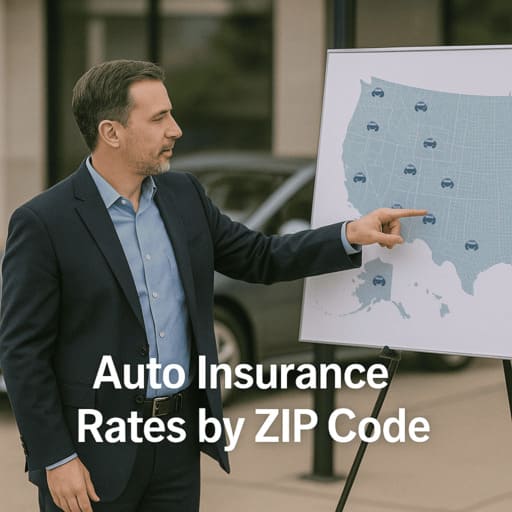
When requesting quotes, include details like route length, peak seasons, and cargo type. If you also deliver for gig platforms, review Esurance coverage for gig workers to avoid coverage gaps.
Quick Claims Checklist
After an accident, document damage, secure cargo, and notify affected clients. File claims promptly with photos, trip logs, police reports, and repair estimates. For step-by-step guidance, see the Esurance flood damage claims guide.
Frequently Asked Questions
What coverage does Esurance offer for delivery businesses?
Commercial auto, HNOA, cargo coverage, and general liability, with optional roadside assistance and rental reimbursement.
How can I lower delivery insurance premiums?
Use telematics, maintain safe driving records, bundle policies, and adjust deductibles appropriately.
Is commercial auto insurance required for deliveries?
Yes. Personal auto insurance usually excludes business deliveries, and HNOA is required when employees use personal vehicles.
Bottom line: Esurance offers flexible, scalable coverage options that help protect your delivery vehicles, drivers, and income as your business grows.