
How The Zebra Compares Auto Insurance Companies and Quotes
The Zebra is an insurance comparison marketplace designed to help shoppers compare auto insurance options without opening a separate quote form on every carrier website. The useful part of the process is not simply seeing several prices on one screen. It is being able to compare insurers while keeping the driver, vehicle, coverage limits, deductibles and effective date consistent enough for the differences to mean something.
Enter your ZIP code to start a comparison, then review the available insurers using the same driver, vehicle, coverage limits and deductibles. This keeps the quote results aligned with the way The Zebra-style comparison process is explained in this guide.
QuotesAutoInsurance.org is independently operated and is not affiliated with The Zebra. Results may come from licensed insurance partners and vary by ZIP code, driver profile, vehicle, coverage choices and underwriting.
List drivers correctly.
Report the right vehicle and history.
Match collision and comprehensive.
Use the same deductibles.
Review available discounts.
Check the policy term and start date.
Confirm reports and drivers.
Read the written policy terms.
How The Zebra Compares Car Insurance Companies Side by Side
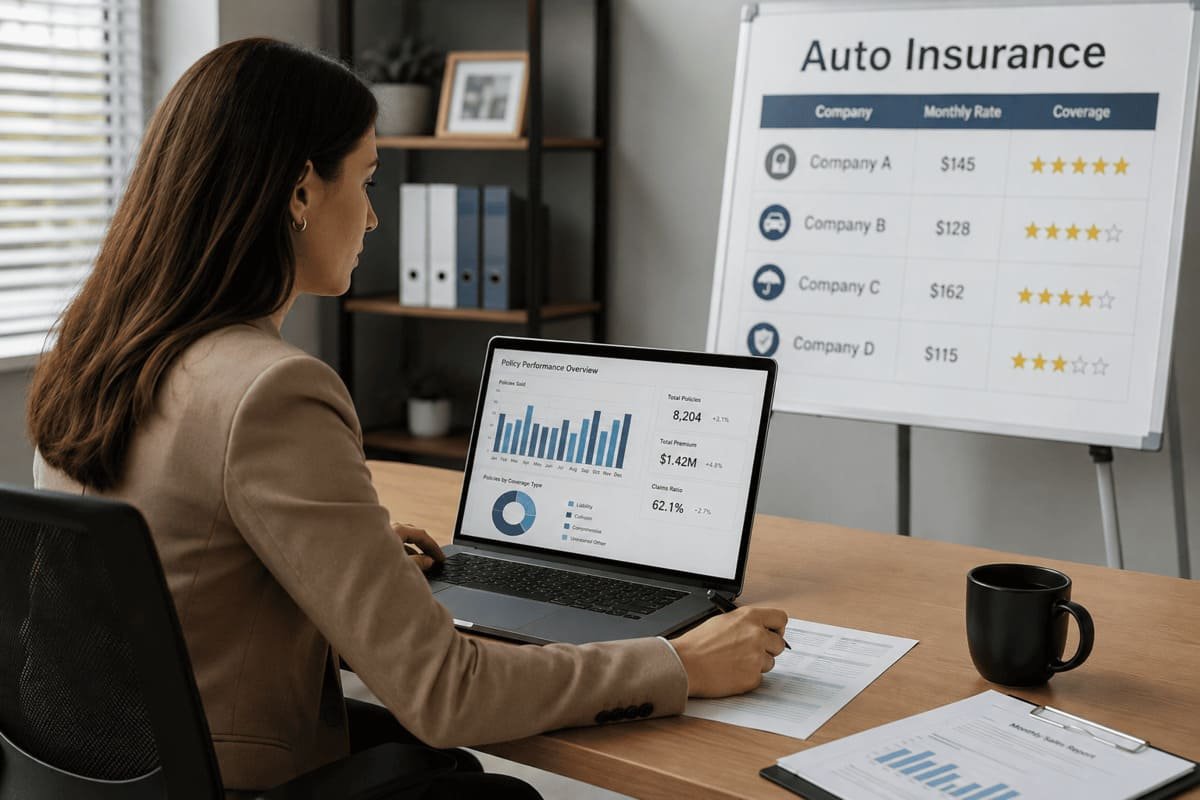
The company's current auto insurance comparison guide describes The Zebra as both an independent insurance agency and a comparison website. It says shoppers can enter their details once, review personalized options from participating insurers and use licensed-agent help when needed. The number of returned options still depends on location, profile and carrier eligibility.
If your intent is simply to reach the broader brand quote page, use Zebra Auto Insurance Quotes. This article has a different job: explaining how to evaluate the companies and quote results that a comparison marketplace puts in front of you.
1. The Zebra Is a Marketplace, Not a Single Insurance Company
The first distinction is structural. The Zebra does not replace the insurance company that ultimately issues the policy. It acts as a comparison marketplace and insurance agency that can connect a shopper with participating insurers. The carrier remains responsible for the actual policy, underwriting, coverage contract and claims obligations.
| Part of the process | The Zebra's role | Insurance carrier's role |
|---|---|---|
| Shopping | Collects information and presents available comparison options. | Determines whether it will quote the risk. |
| Pricing | Displays available personalized quote results. | Applies its rating and underwriting rules. |
| Coverage | Helps shoppers compare limits, deductibles and options. | Issues the policy and controls the contract terms. |
| Verification | Uses the information supplied during the shopping process. | May verify reports, drivers, vehicle and insurance history. |
| Claims | Not the insurer paying a covered claim. | Handles claims according to the issued policy. |
This matters because a comparison result should be judged by the carrier and policy behind it, not only by the marketplace interface. Two prices on the same screen can still represent meaningfully different coverage.
2. One Application Can Produce Multiple Available Options
The main efficiency benefit is entering core information once instead of repeating it separately across many insurer sites. The Zebra says its comparison process can use information about location, vehicle, driving habits and coverage preferences to return personalized options from participating companies.
That does not mean every company uses identical underwriting. One insurer may be comfortable with a particular vehicle or driving record while another is not. A company may also be unavailable in a state, decline to quote a specific profile or require additional information before finalizing the price.
3. The Most Important Comparison Is Coverage Before Price
A side-by-side screen becomes useful only when the policies are reasonably matched. If one quote uses state-minimum liability and another uses higher limits, the lower price does not show which insurer is cheaper for the same protection. The same problem appears when collision or comprehensive is removed from one result.
| Policy item | Keep consistent | Why it matters |
|---|---|---|
| Liability limits | Match bodily injury and property-damage limits. | Lower limits can make a quote look cheaper. |
| Collision | Match inclusion and deductible. | Removing coverage changes the product. |
| Comprehensive | Match inclusion and deductible. | A different deductible changes both premium and claim cost. |
| Drivers | Use the same household and regular-driver information. | Missing drivers can distort eligibility and price. |
| Vehicle use | Use the same mileage, commute and requested usage details. | Usage can affect rating and underwriting. |
| Effective date | Compare similar policy start dates. | Timing can affect price and prevent a coverage gap. |
A marketplace makes it easier to see multiple options, but it does not remove the need to read what each option actually includes.
4. ZIP Code Is a Starting Point, Not the Whole Rating Model
The Zebra begins its shopping flow with location because insurance availability and rating can vary by state and local area. ZIP code is important, but it works together with the drivers, vehicle, coverage, prior insurance and other rating information requested by the participating carrier.
If you move, update the actual garaging location rather than reusing an old ZIP simply because it produced a lower price. The comparison is useful only when the information describes where the vehicle is really kept and how it is used.
For a carrier-neutral shopping path outside the Zebra-specific explanation, Car Insurance Quotes remains the transactional comparison owner for the site.
5. A Displayed Quote Can Still Change After Verification
Online comparison results are based on the information available during the quote process. Before a policy is finalized, an insurer may verify details such as driving history, claims, license information, prior insurance, household drivers, vehicle identification and other underwriting inputs.
A change after verification does not automatically mean the comparison tool was inaccurate. It can mean the original inputs were incomplete, a carrier report added information or the final policy includes different coverage than the preliminary result.
6. Comparing a Marketplace Result With a Direct Carrier Quote
A marketplace and a direct carrier quote solve different parts of the shopping problem. The Zebra can make it easier to discover several participating insurers at once. A direct carrier quote can be useful when you already know which insurer you want to test or when you need to confirm a company-specific feature.
| Shopping method | Best use | Main limitation |
|---|---|---|
| The Zebra comparison | Discovering multiple available carriers in one process. | Not every insurer or product is guaranteed to appear. |
| Direct carrier quote | Testing one specific company in detail. | You must repeat the process for other carriers. |
| Licensed agent assistance | Clarifying coverage or completing a purchase. | Available options still depend on appointments and eligibility. |
For example, a shopper who wants to inspect one carrier directly can use GEICO Quote Online. The point is not that direct is always better or worse; it is that a marketplace comparison should be checked against the policy details of the carrier you may actually buy.
7. High-Risk Drivers Should Expect a Narrower Comparison Set
Tickets, at-fault accidents, DUI or DWI history, coverage lapses, license problems and SR-22 requirements can reduce the number of companies willing to quote. A comparison marketplace can still be useful because it lets the shopper see which participating options are available for the disclosed profile.
Do not omit a violation or lapse to make the quote screen look better. A low preliminary result that cannot survive underwriting is less useful than a higher quote built from accurate information.
When a non-standard carrier is relevant, the site's separate The General Insurance Quotes Online page keeps that carrier-specific intent outside this Zebra comparison guide.
8. Privacy Claims Need to Be Read With the Service Model in Mind
The Zebra currently states that it does not sell users' information. That is useful, but shoppers should still understand that an insurance comparison service may need to use or share information with insurance professionals and partners in order to return quotes or complete a requested insurance transaction.
Use accurate information, but do not assume “comparison site” means no data leaves the marketplace. Review the current privacy terms before submitting sensitive details, especially if you are deciding whether to continue with a carrier or agent after seeing a result.
9. Re-Shop at Renewal and After Meaningful Changes
Insurance prices can change even when the driver stays with the same company. The Zebra recommends regular comparison, and renewal is a practical checkpoint because you already have a current declarations page and premium to use as a baseline.
Compare the new premium with matched coverage.
Use the new garaging ZIP and address.
Compare the new VIN, coverage and lender needs.
Re-run the policy when a driver is added or removed.
Do not re-shop by changing several coverage variables at once. Keep the policy structure stable first, then test whether the carrier or rate has actually improved.
10. Use Carrier Matchups for a Narrower Question
Sometimes the shopper has already reduced the choice to two recognizable options. At that point a broad “how does The Zebra work?” article is no longer the best tool. A head-to-head page can focus on the differences between a marketplace result and one specific carrier path.
The existing The Zebra vs GEICO comparison is the neighboring page for that narrower question. Keeping the matchup separate lets this article stay focused on the mechanics of comparing multiple providers.
The Zebra Comparison Checklist Before You Choose a Policy
| Final check | What to confirm |
|---|---|
| Carrier | You know which insurance company will actually issue the policy. |
| Drivers | All required household and regular drivers are listed correctly. |
| Vehicle | VIN, garaging location and requested usage details are accurate. |
| Liability | The same limits are being compared across options. |
| Physical damage | Collision, comprehensive and deductibles match your needs. |
| Optional coverage | Rental, roadside, uninsured motorist and other options are compared consistently. |
| Discounts | Only savings actually shown in the written quote are counted. |
| Policy term | You know whether the price is for six months, twelve months or another term. |
| Effective date | The replacement policy starts before the old policy ends. |
| Final premium | The amount after carrier verification still matches the policy you intend to buy. |
Bottom line: The Zebra is useful for discovering and comparing available auto insurance companies in one shopping process, but the best result is not automatically the lowest displayed price. Match the coverage, verify the carrier and final premium, and choose the policy that actually fits the driver and vehicle.
FAQ: How The Zebra Compares Auto Insurance Companies
These questions focus on how The Zebra's comparison process works, what the quote screen can and cannot tell you, and what to verify before buying.
The Zebra collects information about the driver, vehicle, location, coverage needs and insurance history, then uses its comparison platform and insurance partners to present available quote options. The number of companies and exact results can vary by state, profile and product availability.
No. The Zebra says it works with more than 100 insurance partners, but that does not mean every partner will return a quote for every driver. Availability depends on location, underwriting, vehicle, driving history and other eligibility rules.
Treat an online result as a quote that may still require verification. A carrier can verify driving history, claims, vehicle information, household drivers, prior insurance and other rating details before the policy is finalized.
Keep the same drivers, vehicle, garaging ZIP code, liability limits, collision and comprehensive choices, deductibles and effective date. If the policy structure changes, the price comparison is no longer apples to apples.
The Zebra currently describes itself as both a comparison website and an independent insurance agency. Depending on the carrier and state, a shopper may be able to continue online or work with a licensed agent to complete the purchase.
The Zebra says its comparison service is free for shoppers. As with any insurance purchase, review the carrier's policy premium, fees, payment schedule and coverage terms before binding coverage.
The Zebra currently states that it does not sell users' information. You should still read the current privacy terms before submitting personal data and understand that information may be used or shared as needed to provide requested insurance services.
A useful time to compare is at renewal and after meaningful changes such as moving, replacing a vehicle, adding a driver or changing coverage needs. The Zebra also recommends regular comparison because prices can differ materially by company.
High-risk drivers can use comparison shopping, but the number of available options may be narrower. Disclose tickets, accidents, DUI or DWI history, lapses, license issues and any SR-22 requirement accurately so the returned quotes are relevant.
Confirm the insurer, liability limits, deductibles, physical-damage coverage, optional protections, effective date, total policy premium and any required filing. The lowest displayed price is useful only when the underlying policy matches what you actually need.