
Liberty Mutual Auto Insurance for Gig Workers
Liberty Mutual auto insurance for gig workers requires a careful coverage review because a standard personal auto policy is generally designed for personal driving, not paid rideshare, delivery, courier, or other business use. Before using a vehicle for Uber, Lyft, DoorDash, Instacart, Amazon Flex, or another app, disclose the work and confirm in writing which policy or endorsement applies during every stage of the job.
Enter the ZIP code where the vehicle is normally parked overnight. Use accurate annual mileage, delivery or rideshare activity, app usage, vehicle ownership, financing, drivers, limits, deductibles, and coverage selections so the quote can be reviewed correctly.
QuotesAutoInsurance.org is independently operated and is not owned, sponsored, or endorsed by Liberty Mutual. The form may connect users with licensed insurance partners and does not guarantee a Liberty Mutual quote, rideshare or delivery coverage, a specific price, or policy issuance.
Does Liberty Mutual Cover Gig Driving?
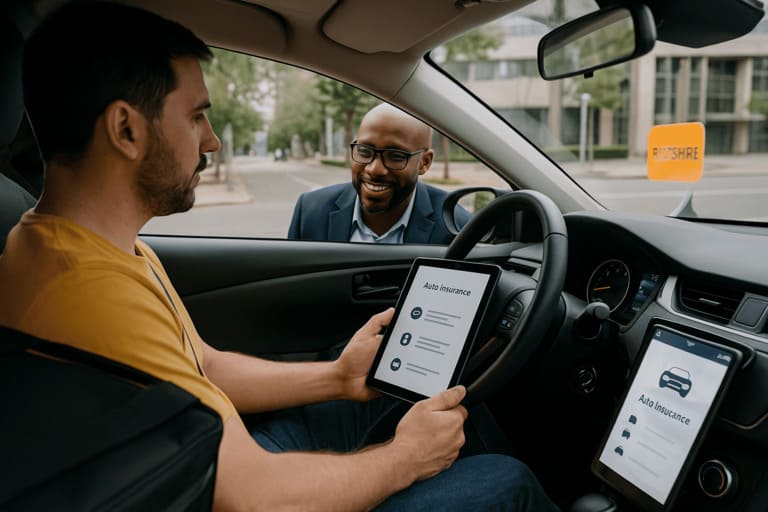
A standard Liberty Mutual personal auto policy should not be assumed to cover rideshare, delivery, or another paid business activity. Liberty Mutual’s consumer guidance states that using a personal vehicle for business purposes, including working as a delivery person or rideshare driver, is usually excluded from a standard personal auto policy.
The company advises drivers who use a vehicle for business to discuss insurance designed for business use. That can mean a permitted endorsement, a policy that specifically accepts the activity, or commercial auto insurance, depending on the state, vehicle, app, frequency of work, and underwriting rules.
Review Liberty Mutual’s official guide to situations a personal auto policy may not cover before treating a standard policy as gig worker car insurance.
Liberty Mutual also provides commercial and specialty insurance solutions to businesses operating in ride hail, on-demand delivery, vehicle sharing, and related mobility markets. Those platform-level or business programs do not automatically mean an individual driver’s personal Liberty Mutual policy covers the same activity.
Personal Auto, Rideshare Coverage, and Commercial Auto
| Coverage arrangement | Possible role | Main limitation to verify |
|---|---|---|
| Standard personal auto policy | Ordinary personal use, commuting, errands, and other activity permitted by the policy. | Paid rideshare, delivery, courier, or commercial use may be excluded. |
| Rideshare or delivery endorsement | May modify a personal policy to cover specified app activity where the insurer and state allow it. | Availability, covered apps, app periods, physical damage, limits, and exclusions can vary. |
| Commercial auto policy | Can be designed for vehicles regularly used in business, delivery, transportation, or commercial operations. | The exact vehicle class, ownership, radius, cargo, passenger activity, drivers, and business entity must fit underwriting rules. |
| Platform-provided insurance | May provide liability or other protection during defined app periods. | It may be limited, excess, contingent, subject to a large deductible, or unavailable while waiting for a request. |
The correct solution may combine more than one layer. For example, the platform can provide liability after a trip or delivery is accepted while the driver still needs an eligible personal endorsement or commercial policy for waiting periods and damage to the vehicle.
Rideshare and Delivery Coverage by App Period
Gig coverage often changes according to what the driver and app were doing when an accident occurred. Platform terms and state laws differ, so this table is a review framework rather than a promise of coverage.
| Driving period | Typical insurance question | What to confirm |
|---|---|---|
| App off | Was the vehicle being used only for a permitted personal purpose? | Whether the personal policy applies normally and whether the vehicle’s broader business use affects eligibility. |
| Online and waiting | Does the personal policy exclude business use while the driver is available for requests? | Whether an endorsement, commercial policy, or platform liability coverage applies during this gap period. |
| Request accepted | What platform coverage starts after a ride, delivery, or task is accepted? | Liability limits, physical-damage conditions, deductibles, UM/UIM, medical protection, and whether personal coverage is required first. |
| Passenger or order in vehicle | Which commercial or platform policy is primary during the active service? | Named insurer, policy dates, state-specific certificate, exclusions, and claim-reporting requirements. |
| Task completed | When does platform coverage stop after drop-off or delivery? | The exact endpoint and whether the driver returns to a waiting period or personal-use status. |
Liberty Mutual Insurance for Uber, Lyft, and Delivery Drivers
A search for Liberty Mutual insurance for Uber drivers or Lyft drivers should begin with the policy exclusion, not the platform’s marketing page. Ask whether the exact personal policy permits transportation network company activity, whether a rideshare endorsement is available, and which coverage applies while waiting for a passenger.
Liberty Mutual insurance for DoorDash, Instacart, Amazon Flex, or another delivery app requires a separate confirmation. A request for Liberty Mutual delivery driver insurance should identify every app, delivery type, annual mileage, and waiting period. Delivery work can be treated as business use even when no passenger is present. A platform’s third-party liability policy may not repair the driver’s vehicle, replace personal property, reimburse lost income, or cover every waiting period.
Do not describe platform insurance as a substitute for the driver’s own required coverage. App companies can require drivers to maintain valid insurance, and the platform policy may depend on the driver’s status, state, fault, personal coverage, or other policy conditions.
Confirm waiting-period coverage, accepted-trip coverage, passenger liability, UM/UIM, medical benefits, physical damage, and the platform deductible.
Confirm whether delivery is an accepted business use and whether coverage changes while waiting, collecting an order, driving, or completing drop-off.
Discuss cargo, route frequency, delivery radius, vehicle type, business ownership, and whether commercial auto underwriting is required.
Identify which app was active, whether a request was accepted, and which policy is primary when platforms overlap.
Coverage Gig Workers Should Compare
| Coverage | Why it matters | Gig-work question |
|---|---|---|
| Liability | Helps pay eligible injury and property-damage claims when the insured driver is legally responsible. | Which policy and limit apply during each app period? |
| Collision | Can help repair or replace the insured vehicle after a covered collision, subject to deductible and policy terms. | Does physical-damage coverage remain active during paid work? |
| Comprehensive | Can cover eligible non-collision losses such as theft, vandalism, fire, hail, or falling objects. | Does the business-use exclusion affect a loss occurring during a delivery or ride? |
| UM/UIM and medical coverage | May help with injuries or other covered losses involving an uninsured or underinsured driver. | Which personal, commercial, or platform layer applies to the gig driver? |
| Rental or substitute transportation | May help with temporary transportation after a covered claim. | Can the rental be used for rideshare or delivery, and does the rental agreement permit it? |
| Roadside assistance | Can help with towing, jump starts, lockouts, or other covered roadside events. | Are commercial use, mileage, or service-area restrictions relevant? |
| Loss of income or downtime | Standard auto coverage generally should not be assumed to replace gig earnings during repairs. | Is separate business-income, occupational accident, or platform protection available? |
What to Ask Liberty Mutual Before Starting Gig Work
What Affects the Price of Gig Worker Car Insurance?
Gig worker car insurance can cost more than ordinary personal coverage because the vehicle can spend more time on the road and face different traffic, parking, passenger, delivery, and claim exposures. The final price depends on the insurer, state, policy type, and submitted information.
Separate personal, commuting, rideshare, delivery, and business mileage as accurately as the application requires.
Night driving, dense urban areas, delivery zones, airport trips, highway use, and parking exposure can affect underwriting.
VIN, value, age, repair cost, safety equipment, financing, leasing, cargo capacity, and business ownership can matter.
Household drivers, business operators, accidents, violations, claims, licensing, and prior coverage affect the result.
Personal endorsement, commercial policy, liability limits, physical damage, deductibles, UM/UIM, and optional protection change cost.
Confirm whether discounts or RightTrack participation remain available and how high mileage, phone handling, timing, or driving behavior is evaluated.
Review the Liberty Mutual quote price factors and Liberty Mutual discounts using the same disclosed gig activity. A cheaper quote is not comparable if it incorrectly classifies the vehicle as personal use only.
How to Handle an Accident While Working
How to Compare Liberty Mutual Gig-Driver Quotes Fairly
Begin with one accurate description of the work and use it with every insurer. Match the same apps, annual mileage, hours, territory, drivers, vehicle, ownership, liability limits, physical-damage coverage, deductibles, optional protection, payment plan, and effective date.
Identify the legal insurer and policy form. A personal policy with a rideshare endorsement, a commercial auto policy, and platform-provided insurance are not interchangeable even when their displayed prices look similar.
Review the broader Liberty Mutual insurance quotes guide and compare the completed offer with auto insurance quotes by ZIP. Do not cancel current coverage until the replacement policy is approved, paid as required, issued, and confirmed active.
FAQ About Liberty Mutual Insurance for Gig Workers
A standard personal auto policy should not be assumed to cover paid rideshare, delivery, courier, or other business use. Confirm the exact activity, policy form, endorsement, and state rules with Liberty Mutual.
Rideshare coverage availability can depend on the state, policy channel, underwriting company, and activity. Ask whether an endorsement or another eligible policy is available for every rideshare period.
Delivery driving is business use and may be excluded from a standard personal policy. Ask whether the delivery app is accepted under an endorsement or whether commercial auto coverage is required.
Not necessarily. Platform insurance can apply only during defined periods and may focus on third-party liability. It may not cover the driver’s own vehicle, every waiting period, lost earnings, or all required protections.
Some drivers do. Commercial auto insurance for gig workers may be necessary when the activity does not qualify for an eligible personal endorsement. The answer depends on the app, frequency, mileage, vehicle, cargo or passengers, business structure, state, and underwriting rules.
Only when the applicable policy permits the business activity and the loss is otherwise covered. Carrying collision and comprehensive on a personal policy does not automatically override a business-use exclusion.
Yes. Disclose every app and paid use before driving. Ask for written confirmation of the policy or endorsement that applies and keep the updated declarations page.
Eligibility and savings vary. Confirm that the policy and gig use qualify and review how mileage, time of day, phone use, and driving behavior are evaluated in the offered program.
The answer depends on the personal policy, endorsement, commercial policy, platform coverage, state law, and app status. The waiting period is a common coverage gap that should be checked before starting work.
Bottom line: Liberty Mutual auto insurance for gig workers is not a single universal product. Standard personal coverage may exclude paid rideshare and delivery use, so disclose every app, map each work period, protect the vehicle as well as third parties, and obtain written confirmation of the eligible endorsement or commercial policy before driving.