
Tiny Home Insurance Quote Guide (May Include Progressive)
Tiny homes can be insured in different ways depending on how they’re used: stationary on a foundation, parked long-term, or built on wheels and moved/towed. Because insurers may treat these setups differently, the best approach is to compare quotes using one consistent baseline (ZIP code, limits, deductibles, and usage details) and then verify what the policy includes in writing.
This guide explains what details to prepare, which coverage areas to verify, and how to compare tiny-home quotes fairly. If you want your comparison set to include Progressive, you can start with Progressive quote comparison guide.
Steps to Compare Tiny Home Quotes
Before requesting a quote, gather details about your tiny home: build type (on foundation vs on wheels), where it’s located, whether it’s moved/towed, and any special features (solar, custom materials, built-in systems). These inputs affect eligibility and how coverage is written, so accuracy matters.
Get Auto Insurance Quotes
Compare quote estimates by ZIP code using the same limits and deductibles for fair results.
Get Home Insurance Quotes
Compare home quotes and verify tiny-home eligibility and usage assumptions in the details.
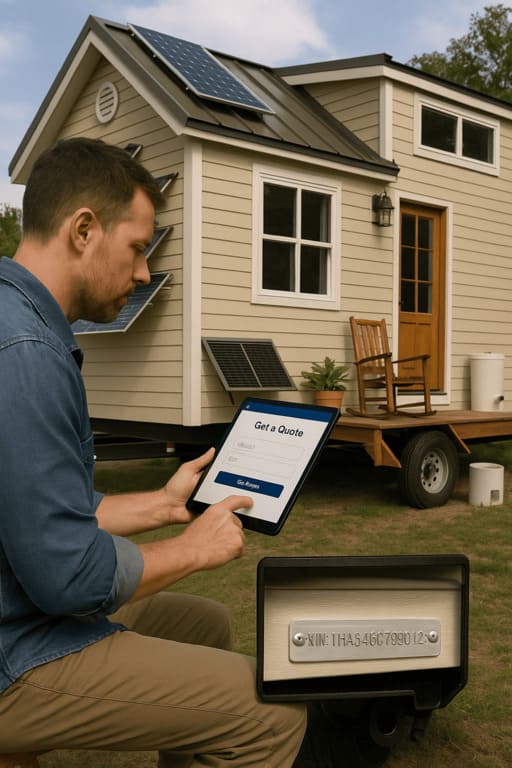
What Affects Tiny Home Insurance
Tiny homes are often priced and underwritten based on a few core factors: location (ZIP and local risks), build type and materials, how the home is occupied (primary vs secondary), and whether it is transported. If your home is moved or towed, confirm whether the quote includes any in-transit or transport-related terms and what limits apply.
If you occasionally rent out your tiny home, verify whether short-term rental use is allowed and how it changes coverage. For a broader rental-use comparison framework, see rental income coverage comparison guide.
If you work from your tiny home, confirm business-use terms and equipment limits. A reference guide is: home-based business coverage insights.
Coverage Areas to Verify
Use the checklist below to verify what your quote includes. Coverage names and availability vary by provider and state, so treat this as a comparison guide and confirm details in the policy documents.
| Coverage Area | What to Verify | Why It Matters |
|---|---|---|
| Structure / Dwelling | How rebuild cost and materials are reflected | Underinsuring is common after upgrades |
| Transport / Towing (if applicable) | Whether transport is included and what limits apply | Mobile use can change policy terms |
| Liability | Limits and exclusions | Protects savings in case of claims |
| Personal Property | Item limits for electronics, tools, and valuables | Tiny homes often include high-value compact gear |
Frequently Asked Questions
Do tiny homes need special insurance?
Often, yes. Coverage can differ depending on whether the home is on a foundation, on wheels, and how it’s used. Verify eligibility and terms on the quote details.
Can a tiny home on wheels be insured?
In many cases it can, but rules and policy types vary. Confirm whether transport/towing use is included and how claims are handled.
Are discounts available?
Discount availability varies by provider and eligibility. Compare baseline coverage first, then verify discounts shown on the quote details.
How should I compare providers?
Match limits and deductibles across quotes, then verify usage assumptions (stationary vs mobile, rental use, business use) before choosing.
In summary: Tiny home insurance comparisons work best when you keep a consistent baseline and verify how structure, mobility, and usage are treated in the policy details before purchasing.