
How to Qualify for Progressive Classic Car Insurance
Progressive offers specialized classic and collector car coverage through Hagerty. Eligibility can depend on the vehicle, how it is used and stored, the driver profile, access to another regular-use vehicle, and the value being insured. Review the requirements before starting a quote so the final offer reflects the correct type of policy.
Enter your ZIP code to compare available auto insurance options, then verify classic-car eligibility, usage, storage, and valuation terms.
Eligibility, coverage, underwriting, vehicle acceptance, availability, and pricing vary by insurer, applicant, vehicle, location, and policy terms.
How Progressive Classic Car Eligibility Is Evaluated
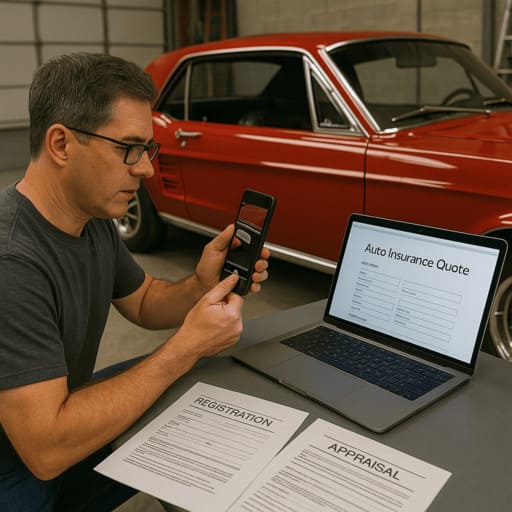
Progressive Classic Car by Hagerty is designed for eligible classic, collector, antique, and specialty vehicles. It is different from a standard auto policy because eligibility and coverage are built around the vehicle's collectible value, use, storage, and characteristics.
There is no single vehicle age that automatically guarantees acceptance. States can define classic vehicles differently, and the insurer applies its own program rules. A vehicle may be considered based on its age, historical interest, rarity, condition, modifications, usage, and collector-market value.
Specialized coverage is generally not intended for a vehicle used as the household's everyday primary transportation. A driver who regularly commutes in the collector vehicle may need a standard auto policy instead, depending on the program and actual use.
Progressive's official classic car insurance information should be reviewed for current vehicle acceptance, storage, use, coverage, and quote options.
What Vehicles May Qualify for Progressive Classic Car Insurance?
Potentially eligible vehicles can include classic and antique cars, collector vehicles, certain modified vehicles, specialty vehicles, and vehicles under restoration. Acceptance depends on the exact program, state, vehicle condition, intended use, value, storage, and underwriting.
Vehicle age alone is not enough. A newer limited-production, exotic, modified, or historically significant vehicle may be evaluated differently from an ordinary older car. Likewise, an older vehicle used for daily transportation may not fit a collector policy.
Prepare the VIN, year, make, model, trim, body style, engine, and any special edition or provenance information.
Document current condition, ownership history, originality, restoration status, and prior damage when requested.
List performance, appearance, suspension, engine, interior, safety, and custom equipment changes accurately.
Use photos, receipts, appraisals, market records, and restoration documentation to support the requested value.
Storage Requirements for a Progressive Classic Car Quote
Adequate storage is an important eligibility factor. Progressive states that an enclosed structure such as a private garage or storage unit is preferred. A carport, driveway, or another storage arrangement may still be considered, but acceptance depends on the specific circumstances and program rules.
Describe the actual location and security rather than selecting the most favorable answer. The quote may ask whether the structure is locked, where the vehicle is kept, whether it is stored at the home address, and how it is protected from weather, theft, fire, or vandalism.
Usage and Mileage Rules for Classic Cars
Classic car insurance is generally designed for secondary or limited-use vehicles. Typical uses can include pleasure driving, exhibitions, club events, parades, shows, and occasional trips, subject to the policy. It is not ordinarily intended to replace coverage for a daily commuter.
Progressive Classic Car by Hagerty can offer a range of mileage options rather than one universal mileage limit. The correct selection depends on how the vehicle is actually used. Review the written policy for mileage, commuting, business use, racing, timed events, track activity, and other restrictions.
| Usage detail | What to disclose | What to verify in writing |
|---|---|---|
| Annual mileage | Expected yearly miles and recent odometer history | The selected mileage option and any reporting or review condition |
| Daily transportation | Whether the vehicle is used for work, school, errands, or routine commuting | Whether everyday use is excluded or requires a standard auto policy |
| Events and exhibitions | Shows, parades, club events, tours, and occasional pleasure driving | Which activities are covered and whether restrictions apply |
| Competition use | Racing, timed events, track activity, or non-street-legal use | Exclusions and whether any separate specialty protection is available |
Driver Eligibility and Access to Another Vehicle
Driver eligibility can include age, licensing, driving experience, accident and violation history, claims, and household information. The insurer may also consider whether the applicant has access to another vehicle for regular transportation.
Access to a regular-use vehicle helps establish that the classic car is not the primary daily vehicle. List the other vehicle and its insurance accurately when requested. Household members who may drive the collector vehicle should also be disclosed according to the application.
A prior accident or violation does not produce the same result for every applicant. Compare the final eligibility decision and written terms rather than assuming that one incident automatically qualifies or disqualifies the vehicle.
Agreed Value and Classic Car Documentation
Classic car insurance often uses agreed value coverage. The insured and insurer agree on the vehicle's covered value before the policy begins. After a covered total loss, the claim is based on that agreed amount, subject to the policy, deductible, salvage provisions, exclusions, and claim facts.
This differs from a typical standard auto policy that may settle a vehicle on an actual cash value basis after depreciation. The exact wording matters, so verify whether the quote uses agreed value, stated value, actual cash value, or another settlement method.
Keep clear exterior, interior, engine, VIN, odometer, storage, and detail photographs.
Save invoices, parts receipts, labor records, build sheets, and before-and-after photographs.
An appraisal, comparable sales, auction results, valuation guides, and provenance can support the requested amount.
Document custom equipment and upgrades so the quote and insured value reflect the actual vehicle.
Progressive Classic Car Quote Checklist
| Checkpoint | What to prepare or verify |
|---|---|
| Vehicle | VIN, year, make, model, condition, restoration, modifications, photographs, and current value support |
| Use | Annual mileage, pleasure use, events, commuting, business use, and any competition activity |
| Storage | Actual storage address, structure, security, weather protection, and seasonal arrangements |
| Drivers | Licenses, experience, records, household drivers, claims, and access to regular-use vehicles |
| Coverage | Agreed value, liability, collision, comprehensive, deductible, spare parts, roadside, and optional protection |
| Policy terms | Insurer, exclusions, mileage option, permitted use, payment schedule, effective date, and cancellation terms |
Related Progressive and Classic Car Guides
FAQ About Progressive Classic Car Insurance
There is no universal age that guarantees eligibility. Vehicle age, historical interest, condition, value, use, storage, state rules, and program underwriting can all affect acceptance.
Adequate storage is required, and an enclosed private garage or storage facility is preferred. Other arrangements may be considered depending on the vehicle, location, security, and underwriting rules.
Specialized classic coverage is generally intended for a secondary or limited-use vehicle, not everyday primary transportation. Daily use may require a standard auto policy.
Progressive Classic Car by Hagerty uses an agreed-value approach for eligible vehicles. Review the quote and policy for the covered amount, deductible, salvage terms, and exclusions.
Prepare the VIN, vehicle details, photographs, condition, restoration and modification records, value support, mileage, intended use, storage information, driver history, and regular-use vehicle details.
Bottom line: Progressive classic car eligibility depends on more than vehicle age. Prepare accurate use, mileage, storage, driver, regular-use vehicle, and valuation information, then verify the agreed value and restrictions in the written quote.